LGBT Gay Pride Ally Flag Graphics & Crafts
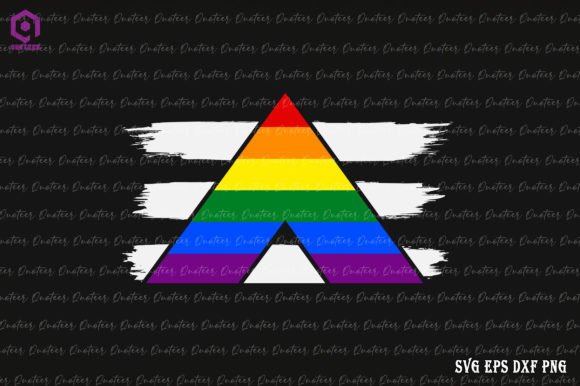
As a designer working on a new branding project for a small, handmade business focused on inclusivity and community, I was immediately drawn to the LGBT Gay Pride Ally Flag. This design asset offers a bold and recognizable visual language that aligns with the values of the client’s brand. The flag’s vibrant colors and symbolic layout make it an ideal choice for projects that want to celebrate diversity and allyship.
First Impressions and Visual Mood
The LGBT Gay Pride Ally Flag exudes a sense of pride, unity, and positivity. Its color palette—red, orange, yellow, green, blue, and violet—creates a dynamic and eye-catching composition. The design feels modern and contemporary, fitting well within a range of creative projects. It’s not just a simple graphic; it’s a statement. For a brand aiming to communicate support for the LGBTQ+ community, this asset can serve as a powerful visual anchor.
The mood it creates is uplifting and inclusive. It works well in designs that aim to evoke emotion and foster connection. Whether used in print or digital formats, the flag maintains its impact and clarity, making it versatile for various applications.
Real-World Design Applications
In real design situations, the LGBT Gay Pride Ally Flag can be a valuable tool. For logo design, it can act as a background element or a central motif, especially for brands with a social mission. In brand identity, it adds a layer of meaning and authenticity. Product labels and packaging design can benefit from its strong visual presence, helping to reinforce the brand’s message and values.
Posters, flyers, and invitations can use the flag as a decorative element or a focal point. Sticker design, t-shirt design, and mug graphics can incorporate it as a subtle or prominent feature. Website graphics, blog visuals, and editorial design can also leverage the flag to create a cohesive and meaningful aesthetic.
For digital ads, Pinterest pins, and Instagram posts, the flag can be a compelling visual element that supports the campaign’s message. Canva templates and Cricut projects can integrate the design to enhance creativity and customization options. Printable wall art and commercial design assets can also benefit from its versatility and clarity.
Where the Asset Excels
The LGBT Gay Pride Ally Flag shines in large layout areas, hero graphics, and product mockups. It makes a strong impression when used as a decorative accent or part of a themed collection. Campaign visuals and packaging details can take advantage of its boldness and clarity.
Printable designs, social media posts, and supporting brand elements all benefit from its strong visual presence. When used thoughtfully, it can elevate the overall look and feel of a design project, adding depth and meaning to the final result.
Where to Use It Carefully
However, there are scenarios where the LGBT Gay Pride Ally Flag may not be the best fit. In small sizes, it can lose detail and clarity, making it less effective. Crowded layouts may overwhelm the design, diluting its impact.
Complex backgrounds or low-contrast designs can make the flag appear flat or unbalanced. Minimalist branding or professional corporate materials may find it too bold or distracting. Projects requiring very clean visual hierarchy might need a more subdued approach.
It’s important to consider the context and audience when deciding where to place the flag. Understanding the design’s strengths and limitations ensures it enhances rather than detracts from the overall concept.
Impact on Design Elements
The LGBT Gay Pride Ally Flag significantly affects readability, hierarchy, and brand consistency. Its vibrant colors and clear structure help establish a strong visual identity. When integrated into a design, it can increase emotional appeal and audience engagement, making the project more relatable and impactful.
Visual trust and recognition are enhanced through the flag’s familiar and widely recognized symbolism. It can help build a stronger connection between the brand and its audience, reinforcing the message of inclusion and support.
Professionalism and overall impression are also influenced by how the flag is used. A well-placed and appropriately scaled design can elevate the project’s quality, while poor implementation can lead to confusion or miscommunication.
Practical Designer Notes
Before using the LGBT Gay Pride Ally Flag in a client project, it’s essential to test it in black and white to see how it translates. Check contrast on both light and dark backgrounds to ensure visibility and legibility. Preview the design at small and large sizes to assess scalability and clarity.
Place it on real mockups to see how it interacts with other design elements. Test print quality to confirm that colors and details remain consistent. Review file formats—SVG and PNG—to ensure they meet the project’s requirements. Inspect PNG transparency if included, and check SVG editability for custom modifications.
Compare the design with different font styles—serif, sans serif, script, handwritten, and display fonts—to find the best match. Confirm commercial licensing before using it for a client or business project to avoid any legal issues.
Conclusion
The LGBT Gay Pride Ally Flag is a powerful graphic design asset that can add value to a wide range of projects. From branding and marketing visuals to printable designs and commercial use, it offers versatility and impact. As a designer, understanding its strengths and limitations helps ensure it serves the project’s goals effectively.
Whether used in a small business branding effort, a seasonal campaign, or a print-on-demand product, the flag can contribute to a more polished and meaningful design outcome. By considering its application and testing it thoroughly, designers can make informed decisions that enhance the final result and align with the client’s vision.