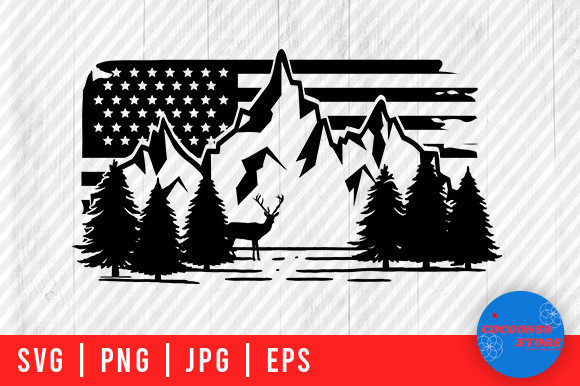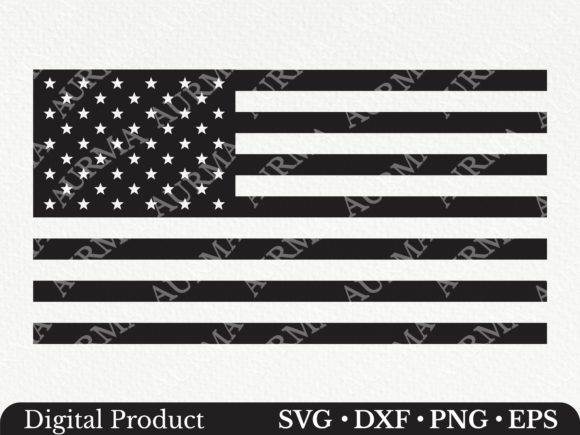
American Flag Silhouette Graphics and Crafts
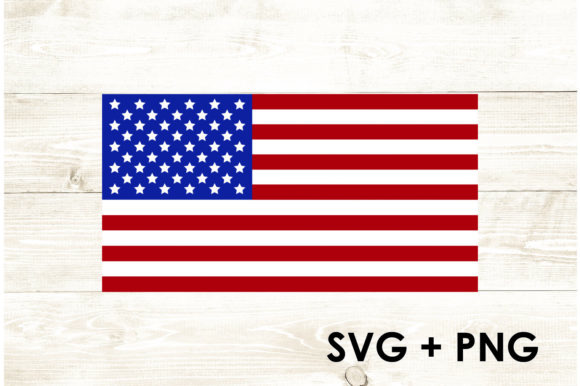
The American Flag Silhouette is a powerful graphic design asset that instantly evokes a sense of patriotism, pride, and celebration. As a brand designer and content marketer, I immediately recognized its potential for enhancing visual storytelling across multiple platforms. Its clean, black and white style offers versatility while maintaining a strong emotional connection to the themes of freedom and national identity.
First Impressions and Emotional Tone
Upon first glance, the American Flag Silhouette exudes a classic, timeless feel. It’s simple yet impactful, making it ideal for campaigns that aim to resonate with a broad audience. The design feels authentic, suitable for both casual branding and more formal marketing materials. Whether used in a small business campaign or a large-scale promotional effort, it carries an air of respect and reverence.
This design can be especially effective for seasonal promotions around July 4th or other patriotic events. It brings a sense of unity and shared values, which can help build trust with the audience. However, it's important to consider the tone of the overall campaign—this silhouette works best when paired with messaging that aligns with its patriotic nature.
Real-World Marketing Applications
The American Flag Silhouette is a versatile design asset that can be integrated into various aspects of brand identity. From logo design to packaging design, it adds a subtle but meaningful touch. For small businesses looking to refresh their social media visuals or create a new content kit, this asset provides a professional foundation that can be customized to fit different styles.
It also excels in digital ads, blog graphics, and email banners. When used as a background element or accent, it enhances visual hierarchy without overwhelming the main message. In editorial design, it can serve as a header or divider, adding a touch of elegance and clarity to the layout.
For content creators and digital sellers, the American Flag Silhouette is a valuable addition to any design bundle. It supports a wide range of creative projects, from printable designs to Canva templates. Its SVG and PNG formats make it easy to scale and adapt for different platforms, ensuring consistent quality across all applications.
Supporting Marketing Goals
One of the key strengths of the American Flag Silhouette is its ability to strengthen the first impression of a campaign. A well-designed visual can capture attention quickly and convey the intended message effectively. This design helps establish a clear visual hierarchy, allowing the main content to stand out while still benefiting from the symbolic power of the flag.
It also contributes to stronger audience trust. When a brand uses recognizable and culturally relevant symbols, it builds a sense of familiarity and reliability. This is especially important for small business branding, where every visual element plays a role in shaping customer perception.
In terms of engagement, the American Flag Silhouette can help create more memorable campaign visuals. Whether used in social media posts, event flyers, or merchandise, it adds a layer of meaning that resonates with the target audience. This emotional connection can lead to higher engagement rates and better recall of the brand.
Best Use Cases
The American Flag Silhouette shines in hero graphics and campaign headers. It sets the tone for a project and creates a strong visual anchor that draws the eye. For product launch visuals, it can be used as a backdrop or a subtle accent to emphasize the significance of the event.
It’s also ideal for branded templates, social media covers, and packaging accents. These applications allow the design to be consistently represented across different touchpoints, reinforcing brand recognition. In content bundles and promotional banners, it adds a polished and professional look that elevates the overall aesthetic.
For editorial layouts and decorative brand elements, the American Flag Silhouette provides a refined yet accessible option. It complements a variety of fonts and design styles, making it adaptable to different creative visions.
When to Use with Caution
While the American Flag Silhouette is a strong design asset, it may not be suitable for all contexts. In formal corporate branding, it could come across as too simplistic or unrefined. Similarly, in dense information layouts or text-heavy ads, it might compete with the main message rather than support it.
Small mobile graphics can also pose a challenge. If the silhouette is too detailed or placed in a cramped space, it may lose its clarity. Low-contrast backgrounds can further diminish its impact, making it less visible or harder to distinguish.
For overly minimal brands or designs that prioritize simplicity, the American Flag Silhouette might add unnecessary complexity. It’s important to evaluate how it fits within the overall design language and ensure it doesn’t disrupt the balance of the composition.
Practical Designer Notes
Before finalizing the use of the American Flag Silhouette, it’s essential to test it with the brand’s color palette. While it works well in black and white, it may need adjustments to match specific brand guidelines. Checking how it appears in different lighting conditions and on various devices is also crucial for ensuring visibility and readability.
Placing it inside real campaign mockups helps visualize how it integrates with other elements. Previewing it on mobile screens ensures it remains legible at smaller sizes. Comparing it against competitor visuals can reveal opportunities for differentiation and improvement.
Testing how it pairs with different font styles—serif, sans serif, script, handwritten, or display fonts—can highlight its versatility. Reviewing spacing and balance ensures it doesn’t feel crowded or disconnected from the rest of the design.
Finally, always confirm the commercial license before using the American Flag Silhouette in paid campaigns, client work, or business branding. This ensures compliance and avoids any legal complications down the line.